Monday, June 29, 2020

What ATAR do you need to be an Electrical Engineer?

Is your child thinking of becoming an Electrical Engineer? ATAR scores matter!

With the new ATAR system coming into Queensland this year, confusion is sure to follow. The old OP system has been in place for so long, so there’s bound to be a few growing pains – especially given the unprecedented struggles that students are undergoing this year. 

How does ATAR work for University entry?

To help simplify this process, we’ve prepared this handy guide for parents of Queensland Year 12 students who would love to study electrical engineering in 2021. What ATAR will you need to study engineering? Read on to find out which Queensland-based universities offer a Bachelor of Engineering. 

Electrical engineer ATAR

What is the ATAR for electrical engineering?

In Queensland, the minimum ATAR score required to study engineering is 63, at the University of the Sunshine Coast. Currently, the Moreton Bay campus only offers first year courses, so the rest of the degree will be completed at its Sippy Downs campus. The University of Southern Queensland offers a Bachelor of Engineering majoring in Electrical Engineering at its Toowoomba campus or online, requiring an ATAR score of 75. If these aren’t the universities of your dreams and you’re aiming for something closer to Brisbane’s CBD, you’re looking at 73 at the QUT Gardens Point campus, or 86 at UQ St Lucia. 

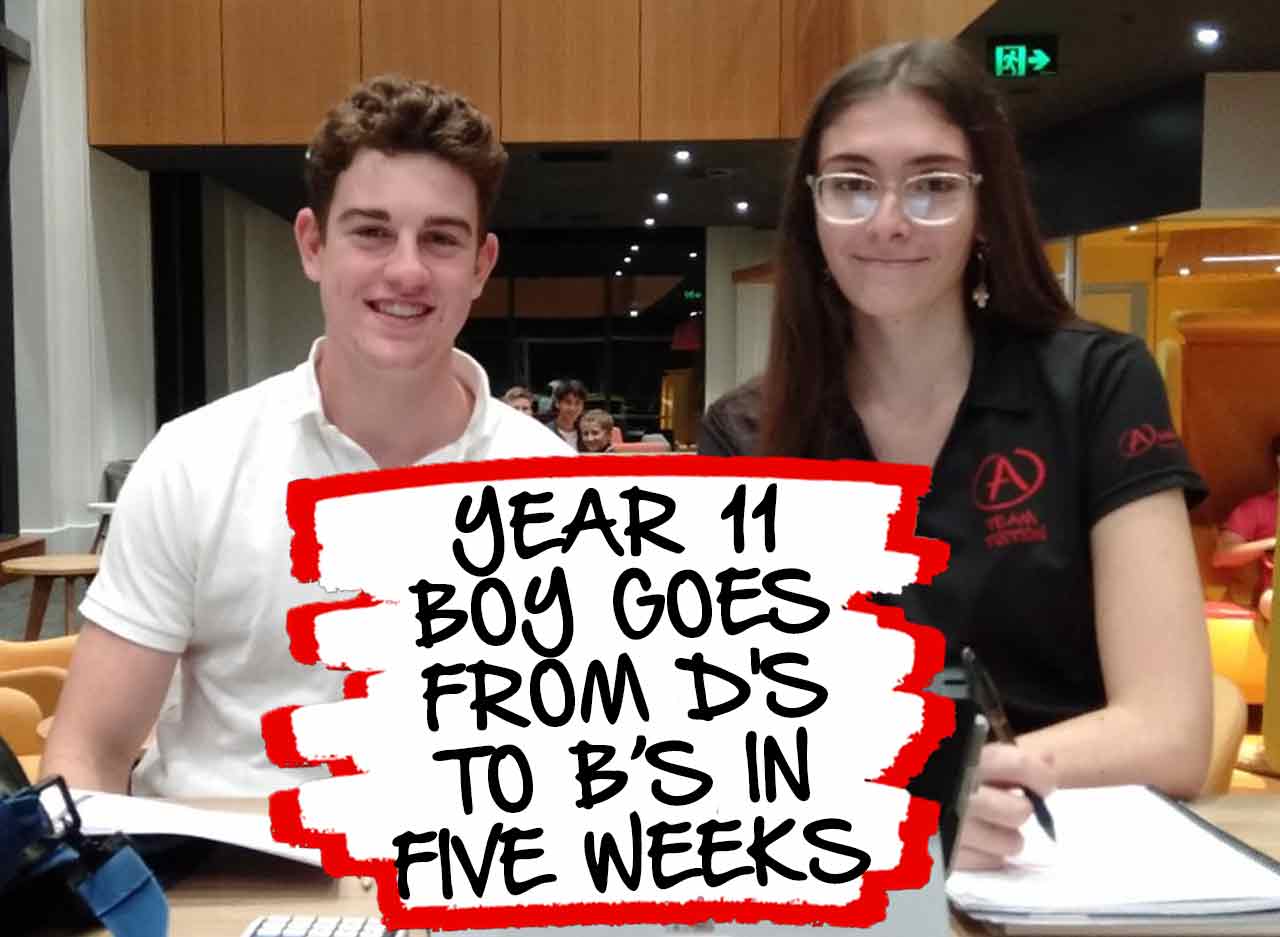
Concerned?  Our Intensive ATAR Tutoring Program transforms C students to A students!  Learn More Now

Universities in Queensland offering a Bachelor in Engineering

Most universities in Queensland offer a Bachelor Degree in Engineering, with most also offering a major in electrical engineering. The vast majority of degrees are Honours, which are of a higher calibre than a regular Bachelor degree. Due to the fledgling nature of the ATAR system in 2020, the scores currently on offer are approximates only, so set your goals slightly higher than these to ensure you get a place at the university and program of your choice.

Bachelor of Engineering (Honours) at the University of Queensland

The University of Queensland’s engineering program offers the largest choice of engineering programs in Queensland, and is the most difficult engineering course to access. The OP score for this program was 8, and the ATAR score is approximately 86.

Bachelor of Engineering (Honours) (Electrical) at Queensland University of Technology, Gardens Point

QUT offers an honours program majoring in electrical engineering at its Gardens Point campus, with the OP score having been 12, and the ATAR score approximately 75. 

Bachelor of Engineering (Honours) majoring in Electrical Engineering at the University of Southern Queensland

The University of Southern Queensland in Toowoomba offers its honours program on campus or online, and has an ATAR score of 75. 

Bachelor of Engineering (Honours) at James Cook University

The James Cook University offers its engineering program at all of its campuses and online, with an ATAR score of 68. 

Bachelor of Engineering (Honours) and Diploma of Professional Practice (Co-Op Engineering) at Central Queensland University

Central Queensland University offers a couple of options for budding electrical engineers. Initially, you could study the Bachelor of Engineering Technology, which has an ATAR of 65 (previously an OP of 15). They also offer an honours degree and a diploma of Professional Practice with an ATAR score of 79. CQU’s Gladstone campus offers a specialisation program, with electrical engineering as an option. In this instance, the ATAR score is 68. 

Calculating your ATAR score for an engineering degree

ATAR scores are very tricky to calculate yourself – they’re based on four key marks, from your examination marks, assessment marks, senior study marks, and performance band. School scaling and subject scaling are then taken into account. All ATAR scores are also calculated on a minimum number of subjects, with each having a different value. The key subject with Engineering is Maths B, so it’s important to keep those grades up. Read ‘How to get an A in Maths B’ for tips on how to ace your maths studies. 

Plan to get into electrical engineering

Here at A Team Tuition, our speciality is creating effective study plans for our students. We’ve achieved some amazing results with our guides, which don’t rely on simple schedules but instead on the mindset behind getting better grades. The subjects below contain the guides that will allow you to get that Very High Achievement or A, and help you to follow your dreams!

Here are 5 Strategies to use if you want a 99 ATAR

How to get into electrical engineering without an ATAR

If your child either doesn’t qualify for an ATAR score or didn’t get the ATAR score they were after, they may still be able to attend university. There are bridging courses available that will help you get back on track. Each university has different requirements for this – students may be able to gain placement as a mature-aged student, or work their way up via TAFE or other vocational study.

QTAC’s website offers a wide range of options that will allow you to study electrical engineering without an ATAR score. These pathways range from TAFE and other vocational diplomas to associate degrees and bachelor degrees that allow you to work your way up to the honours degree and a specialisation in electrical engineering. You could start with a Bachelor of Science, and work your way along the Engineering pathway that is offered by many universities.

How can you achieve the ATAR for engineering in Queensland

If you or your child feels they need a little extra help in order to realise their dreams, contact us at A Team Tuition. Our professional team of tutors will not only help improve your grades – they’ll help you to maintain motivation, and develop a more positive mindset towards achieving your goals. A Team Tuition’s results speak for themselves – contact us today and get back on track to becoming whatever you might dream of!

The post What ATAR do you need to be an Electrical Engineer? appeared first on A Team Tuition.


from A Team Tuition https://ift.tt/2BMUAoG
via IFTTT

Thursday, June 25, 2020

Will My Sneezy Primary Schooler EVER go Back to School?

School’s back, hooray! Queensland primary schools are full of young eager minds, crying out for a return to normalcy (well, begrudgingly showing up at least). Two days back in the classroom and bam! your older child comes home with a runny nose. The school has advised you must keep the family home until all symptoms clear, or they receive a negative test result. So it’s off to the COVID clinic for a cotton tip up the nose. Two days later, your child is cleared to return. And then bam, your other child coughs…. The cycle starts over. Will my primary school child ever catch up?

Do I have to get my primary schooler tested every single time?

Primary School Tutor When Back To School Keeps Getting Delayed

In a recent article by the ABC, the answer was a resounding, yes. Every single time. Which means a long wait at the testing centre, followed by, at best, 24-48 hours of school absenteeism or in many cases, a temporary return to full isolation. So, what is a parent to do now that the Queensland Schools Online Curriculum is no longer available?

The never-ending pressure on your teachers

Your primary school teacher is responsible for 20+ young minds. Young minds that have been through a (hopefully) once-in-a-lifetime upset to routine and learning. Your teacher is playing constant catch up with kids who’ve been off sick with viral infections for days, weeks or even the better part of the semester. Spare a thought for your teachers. They’re having the most difficult semester of their careers.

What does this mean for your primary school child’s future?

Hopefully, this won’t cause a major upset to their ongoing education. They’ll catch up. They’re young. They’ve been learning at home nearly all semester. They won’t lose out in the long term based on six months of early childhood learning. For most. For kids under 7, the stress of COVID has been more about “magical thinking” – the inability to perceive the reality of a disease outbreak and therefore applying fears and anxieties to the “big picture”. For some upper primary school kids though, this was a crucial year and they understand the implications not only of this terrible virus, but of its impact on their schooling. It’s not just the high school students preparing for ATAR, some kids are in a tighter spot than others.

Children who were relying on NAPLAN scores to get into elite high schools

NAPLAN is canned so kids in Grade 5 will rely strictly on their grades from this year to secure a place in an elite high school. Academic colleges like Queensland Academies and some elite private schools take NAPLAN scores into account in their enrolment programs. Students in year five in 2020 will need to rely more heavily on their regular results. How did your child do this term compared to other terms?

Children who rely heavily on a set routine

Good study habits usually require a study routine that meets the needs of the curriculum. Routine is yet another victim of the COVID outbreak. For some kids, routine is about more than just allotted homework times. Routine plays a major part in the way they “understand” and “process” the world around them. These children face deeper barriers to recovery as getting back to the old routine is, in itself, a change in routine. Be it study routines, or emotional resilience, 2020’s changes can create massive setbacks for young minds.

The goal setters

The most successful students set themselves attainable and tangible goals. Goal setting is a hallmark of good study practices. Your child may have had a ‘mental plan’ for how this year’s academic calendar would play out. It was peppered with attainable goals and those goals were key to keeping their self-confidence on track. For a child who likes to plan ahead and set sights on achievements, having everything destroyed by a runny nose can deeply impact their resilience and their motivation.

Support network disruptions

Your child’s essential support network includes:

  •  You
  • Their teachers
  • Their tutor
  • Their peers

Whether you’ve consciously built this study support network, or it’s just ‘fallen into place’, your child has you to help keep them motivated and get support with their daily studies. Their teacher is there to help them understand the curriculum. Their tutor is there to help them meet academic goals and their peers to provide ‘sounding board’ and ‘study buddy’ assistance. In six short months, they’ve found themselves in a whirlwind of change.
You’ve had a rough six months. Chances are you’re adapting to disrupted work, and a lot of new stress. Their teacher is having the worst semester of their career. Their peers are absent from school more often, and are facing these same challenges. Even their tutor has been online, instead of at hand, to provide that one-on-one relationship that helps them thrive.

But…everyone in my child’s support network has been AMAZING!

Everyone is still there to help. In fact, everyone in their support network is doubling down on their efforts to help. But it’s not the same. The support network that was once simply an ever-present and reassuring team that operated seamlessly without your child’s conscious acknowledgment, is now something your child must consider. Do I ask Dad for help if he’s working from home in the office? My teacher has six kids lining up with questions. My tutor isn’t here in the room, so we can’t do that memory game that I find so helpful. My friends are here today! Hooray! No time for talking about schoolwork, let’s just kick the ball. Same-same, but different. Your child, whether consciously or unconsciously, is perceiving a shift in their support network.

How do I help my primary school child catch up?

Be present. That’s always the first rule for helping your child. Listen. Listen to what they are saying, and what they’re not saying. Your child asks, “how are they even going to mark me if I miss the test?” Are they asking about catch up tests, or is that a surface question that indicates deeper fears? Once you’ve listened, talked and done all you can to reassure your child, it’s time to put a plan into action.

  • Talk to your teacher about your child’s grades. Find out where they are lagging
  • Ask your teacher for ‘catch up work’ for those long days at home, with a runny nose.
  • Talk to your teacher about your child’s emotional state at school.
  • Embrace the play date. Help your child reconnect with their peers and get their relationships back on course
  • Help build resilience around COVID testing. No, it’s not nice. Yes, it means another day or two off school but you are doing an amazing thing – saving lives by helping us control the spread. Be proud.
  • Remind them that we’re still working out the new routine and that they’re doing a great job adapting. Ask them how you can make it easier for them.
  • Give them security. Bring their support network back into clear focus. Help them to catch up on any subjects that might be causing them anxiety.

Nope, tried all that, my child is still on struggle street

It’s time to get outside help. If your child is struggling with the emotional side of COVID, speak to your GP. You are absolutely not alone. It’s been a hard year for everyone – parents and kids! A child psychologist will help your child develop coping skills which will remove barriers to academic recovery. Your child’s health comes before anything else. While the sniffles may not be a major concern, their mental health should be a top priority.

Your child is coping OK emotionally but not academically

Success story - Student Achieves Amazing Improvement in Grades

Your A/B student is now a B/C student – or worse! This is where a primary school tutor makes all the difference. Or rather, the RIGHT primary school tutor makes all the difference. A good primary school tutor will understand that your child is facing new barriers to learning.

1. Clear the way for the catch-up. They’ll assess those barriers and develop a study strategy that overcomes them.
2. Fast track their catch-up. Then they’ll assess your child’s learning language to help them absorb the most information in the shortest time – resulting in a faster catch up.
3. Give your child back control. Finally, they’ll help your child reassess their goals to make the catchup an easy-to-comprehend process. This gives your child back the feeling of control. Lack of control in the unknown is unsettling for us all, especially a person with little experience of it.


Learn more about our approach to primary school tutoring


How to choose a primary school tutor for this rough time

The wrong tutor will do more harm than good. The wrong tutor will make your child feel MORE pressure. Poor communication between your child and your tutor can reinforce the notion that “school’s too hard for me now”.

After a decade in tutoring, we’ve developed the right combination of strategy, recruitment, training and delivery of tutoring sessions. We don’t just focus on curriculum. We developed our approach to tutoring in partnership with child psychologists, educational academics and elite sporting coaches to find the right balance of motivation, emotional support and educational approaches.

Does it really work?

After fourteen thousand hours of tutoring we can say with all confidence that we’ve determined EXACTLY what works. In fact, 87% of our students go from C/D grades to A/B grades, often in as little as three months. It’s not just about the grades though, it’s about restoring your child’s confidence, their resilience and their sense of security. Couldn’t we all do with a little of that right now?

Get your child they help they need before their current attitude becomes “their new normal”

Talk to us now

The post Will My Sneezy Primary Schooler EVER go Back to School? appeared first on A Team Tuition.


from A Team Tuition https://ift.tt/3eADoBn
via IFTTT

After 14000+ tutoring hours, we found the ONE thing all underperforming students have in common.

Every single child we’ve worked with who is underperforming at school is underperforming for a reason. That reason surprised us. It’s not a lack of smarts. Let’s be clear. We have never met a child we couldn’t help to improve. Every child we’ve worked with has had the potential to reach greater academic heights. It’s not about extracurricular activities. It’s not about whether your school is less amazing than the next school. What makes a student underperform?

Cs to As - How underperforming at school is down to mindset Underperforming at school is about mindset Ds to Bs - stop underperforming at school

Every single student, out of thousands of students, had one thing holding them back: Mindset

That means that every single student underperforming at school has the potential to raise their grades. How can you tell if your child is underperforming at school? Do any of these scenarios sound familiar?

The Distracted/Unmotivated Mindset

Your teen sits down to start an assignment and then “bing” the phone notifies her of a TikTok she must watch. So you take her phone. And that goes down a treat. Then, you find her in her room, not studying, she’s going through drawers looking for something. So you sit her back at her desk. Finally, she even attempts to tidy her room as a procrastination tool. You don’t rush to stop her… because you know, you’re witnessing a miracle in front of your very eyes… but eventually, she MUST do the assignment. She’s distracting herself. Putting off work. It’s not that she’s lazy. Distraction is actually an issue of poor confidence. She’s trying to communicate that she’s so unsure of her work that she’d rather clean her room than attempt it.

How we change the “Distracted/Unmotivated” mindset

We get to the root of your child’s confidence issues and remove the barriers they’re facing.  By creating more engaging lessons that help your child to break down the workload and to explore it on their terms, they find the confidence to take ownership of their work.  This looks different for every child.  For some kids, it’s about turning the workload into a game of sorts, where there is reward for discovering steps to tackle the subject matter.  For others, it’s about a change of scene, where they are free to move around and take in some sunshine while they work.  For some kids, it’s about improving their study strategy.  It’s very, very rarely about closing them up in a dull room!

What does it mean in practice?

Ethan was a B student.  Not bad.  Doing OK.  But his mother worried about his lack of motivation and she believed he wasn’t reaching his full potential.  Tutor Brit took Ethan away from the standard desk set up and attacked his workload with beanbags and whiteboards.  She let him lead the way in learning.  She introduced fun and interactive ways for him to break down the workload  – so he could focus on it, without distraction.  Ethan is now an “A” student and the recipient of the coveted Principal’s Award.

Read Ethan’s Story

High School Tutor in Brisbane helps child become A student

The “I Can’t Do It” Mindset

Your teen tells you, “I just don’t understand it. I can’t do it.” This quickly transforms into “It’s stupid, when will I even need this in the future?” Pretty soon, an underperforming student is a failing student because they feel that they’re just not bright enough to understand the curriculum. We see this a lot in students who are heavily skewed to either left or right brain learning. If your child thrives at Art and English, every maths exam feels like a big opportunity to fail.

How we change the “I Can’t Do It” mindset

Our tutors first address their learning language. The three primary learning languages dictate how well your student can take in different information. If your child is an aural learner, who retains information through reading and listening, a sheet of formulas can feel like an utter impossibility. So, our first step is to understand how your child learns and to translate the curriculum into the messages that their brain best receives and processes. Same information, different communication. Once your child can process the information in a familiar way, the “I can’t do it” mindset disappears. They can do it. And we can do it. Our tutors are trained to make a maths lesson feel like an English lesson. To make an English lesson echo a physics lesson.

What does it mean in practice?

Meet Ava. Ava went from a B- student to an A+ student in a month with our tutor’s help. It was that fast, and that simple. She merely needed her lessons transformed into the language that suited her needs.

Read Ava’s Story 

The Overwhelm Mindset

Your child seems to take FOREVER to complete a simple assignment. They sit down to do their homework and it’s a struggle for all concerned. In the time it should take to get the first subject done, they still haven’t located a suitable pen.  As a parent, words like lazy and disorganised start popping into mind, and you worry that your child will struggle with other life skills, like holding down a job.  Deep breaths.

How we change the “Overwhelm” mindset

Every child is different, but our tutors would begin looking for clues as to the source of the child’s overwhelm.   Most often it comes down to poor study strategy skills.  We assume that by highschool, children have developed a set of skills that will carry them through their academic career but in a surprising number of students, this is not the case.  Something as simple as looking at an assignment sheet and recognising the smaller tasks required to make up the bigger submission, to order these and to begin attacking them – this gap in your child’s understanding will cause underperformance in all areas of their school life.  Our approach is to identify these gaps and help them to “relearn” how to study.

What does that look like in practice?

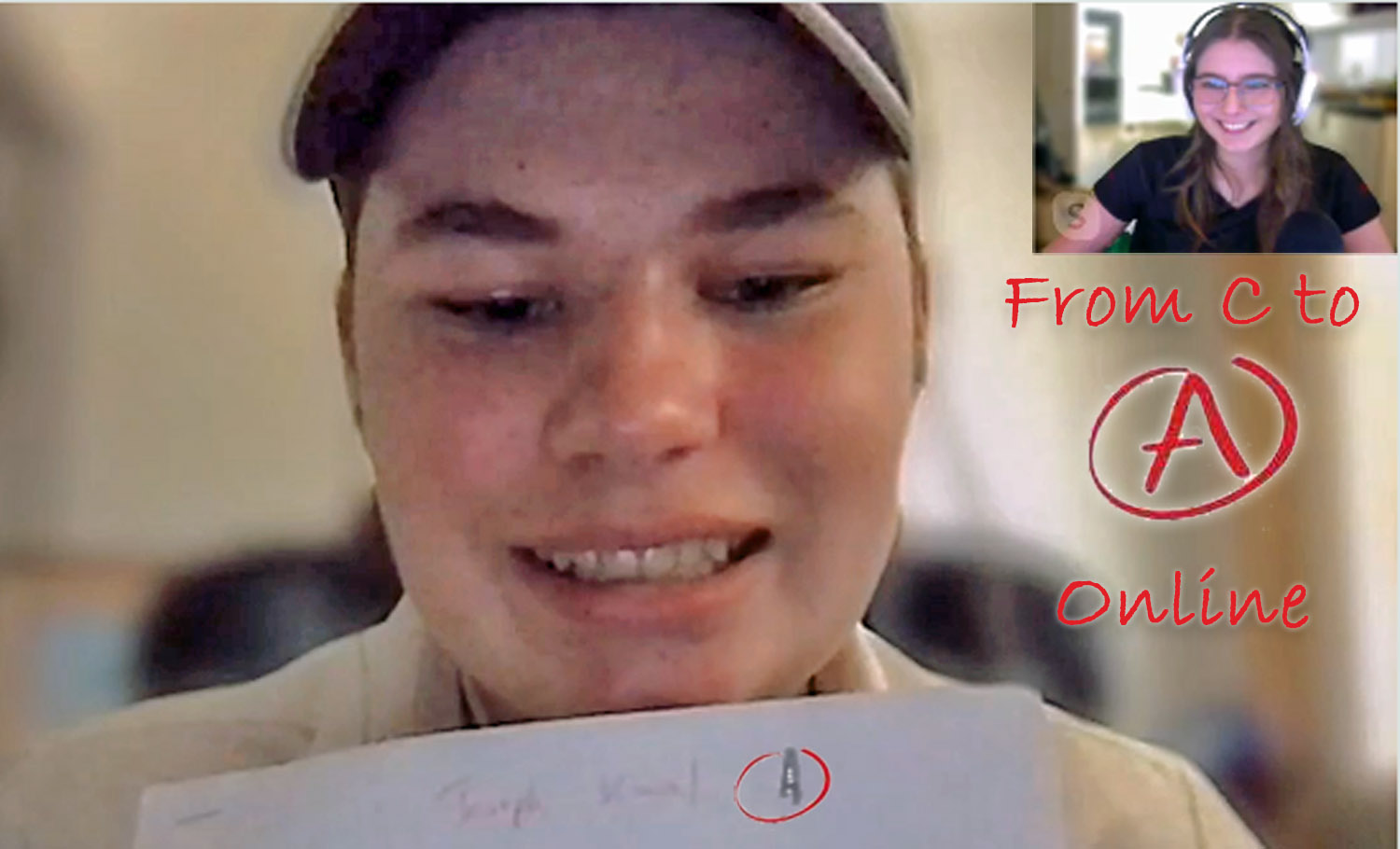
Joseph was a “C” student who was underperforming at school because he struggled with the “how” to study.  It’s hard for a teacher in a busy classroom to pick apart a child’s underperformance and find the cause, so our tutor Emily took on that responsibility.  Joseph, armed with an easy to follow study strategy, became an A student in no time.

Read Joseph’s Story

Teen studying online goes from a C to an A

The Low Priority Mindset

What is the distraction your child is feeling is justified?  What if there’s something big going on in her personal life or home life?   How do you get a kid with a lot on her plate to keep focused on schoolwork?   No child is beyond helping.  We have worked with kids from all manner of backgrounds, including children who have endured terrible hardship and even trauma.  When your world is chaotic, it’s hard to find mind space to dedicate to school work.

How we change the “Low Priority” mindset

We acknowledge the stress that the child is under and help them to find ways to work within the space that they have.  It may mean finding a study strategy that helps them “do more with less time” or to give them the confidence boost they need to attack a task without hesitation and with complete focus.  Our team is carefully trained to recognise challenges to learning.  We empower children to take control of their studies and this in turn helps them feel more in control of their situations.  Our program has been developed by child psychologists to ensure that no child, no matter how much chaos they work within, is left behind.

What does this look like in practice?

Meet Skylah.  Skylah was an “E” student.  For her teachers, Skylah represents the most challenging student in the class.  She was simply unable to keep up.  What our tutor Libbie discovered was that Skylah was coping with a sick mum.  Not only did that mean she was carrying a heavy emotional load, it also meant that she was picking up the slack at home.  She had very limited time for study and her grades were suffering.  We helped her find ways to get more achieved in a very limited time.  We helped her feel more “in control” of her life by helping her take charge of her studies.    Skylah is now in the top 5% at school.  She’s killing it.  We could not be prouder of Skylah!

Read Skylah’s Story

And this is just the tip of the iceberg for underperforming at school

There are so many negative mindsets that end in your child underperforming at school.  As parents, it’s almost impossible for you to diagnose and correct a problem with your teen’s mindset.  Your child’s teacher will likely have made some progress, but nothing compares to intensive one-on-one diagnosis and correction.  That’s where A Team Tuition has focused,  with our “Academic Personal Training” program.  All of our tutors are trained in overcoming barriers to learning and we’re proud of our many, many success stories.  It’s not just these kids, we have hundreds of stories just like theirs.  Your child could be one of them.

The post After 14000+ tutoring hours, we found the ONE thing all underperforming students have in common. appeared first on A Team Tuition.


from A Team Tuition https://ift.tt/31jMizw
via IFTTT

Friday, June 19, 2020

Does My Child Need a Private Tutor?

Should I hire a private tutor near me for my child? Would this help to improve their grades?

If your child is struggling at school, their best bet is a private tutor – and there are a number available near you! A private, at home tutor could make all the difference to your child’s academic results. They’ll receive private, one on one time with a tutor who encourages and motivates them in the comfort of your own home. A good tutor works with your student to enhance their natural abilities and work at their own pace. But how do you know if your child actually needs a private tutor? What are the benefits of hiring a private tutor versus going to a centre with other students or working through online sessions? Read on to find out more about why hiring a private tutor is the best thing for your child – and where one might be available near you!

private tutor

What are some of the signs your child might be struggling with school?

There are a number of signs your child might exhibit that show they’re struggling in school. 

  • They refuse to talk to you about school. They might exhibit dishonesty, evasiveness or overconfidence, which are all signs that your child might be struggling in school. If you ask them how their day at school was and they respond bluntly, or become defensive, this might be a sign that they’re struggling academically. They might also show overconfidence in their abilities so that they don’t disappoint or upset you.
  • They might have a huge attitude change when it comes to school. You might find them acting differently about school, becoming distant, angry, or even displaying reluctance to go. They might also feel bored, which might mean they don’t understand the material they’re being taught.
  • Your child might have trouble with their eating or sleeping habits, which may be a sign of worry or anxiety.
  • They might spend an excessive amount of time on their homework. This depends on their teacher’s policy when it comes to homework – some teachers expect more time to be spent on it than others. A rough guideline to follow is that your child should spend ten minutes per grade level on their homework each evening.
  • They begin misbehaving at school. This could be a sort of smokescreen your child feels will take the attention away from their poor academic performance. They could also be frustrated with their lack of progress.
  • Their teacher expresses concern with their progress at school. This might be obvious, but sometimes it might be difficult to hear.
  • Their grades dramatically decline. This is also really obvious, but one or two low grades aren’t cause for concern. If your child has developed a pattern or even a full report card full of low marks, this is a sign something might be going on at school.

What are the benefits of one-on-one tutoring?

One-on-one tutoring is an excellent way of helping your child regain their confidence in the classroom and improve their performance overall. A private one-on-one tutor can:

  • Offer a unique learning experience that encourages your child to learn at their own pace
  • Assess your child’s abilities and consolidate their learning or extend their academic performance in certain areas
  • Improve your child’s study habits within their particular learning situation
  • Improves your child’s self-confidence and attitude towards their school work. Their tutor’s guidance can be hugely motivating and can bring out your child’s best academic work.
  • Provide their full attention to your child, and tailor their sessions to the child’s needs. At school, a teacher often has more than twenty students, with varying levels of academic ability, and so it is incredibly difficult to adjust lessons based on each child’s individual needs. A tutor is personalised attention!

What are the benefits of tutoring at home in your child’s own space?

Working in your home, in your child’s own space, provides a level of comfort and familiarity that helps to relax your child, and create a safe space to learn. Gone are the distractions of other children and the other background noises common in the classroom – at home, there is just your child, their tutor, and a dedicated learning space. Working from home is especially helpful if your child is introverted or shy – they’ll feel so much more at home when they’re, well, at home!

What are the benefits of choosing a highly-trained local tutor?

A private, highly trained local tutor is the best option for your child because they have the necessary training, skills, and ability to provide the best academic support. Their training allows them to tailor their tutoring sessions to suit your child’s ability. They’re able to gauge your child’s knowledge and natural ability, as well as any gaps in their knowledge. They can change the perspective of the lessons they offer, to present the material in various ways that best suit your child. This way, your child will have their ‘eureka’ moment, and everything will start to click! Plus, the more local, the better. A local tutor likely knows the education system and the curriculum, and this can help the tutor to tailor their sessions. 

FInd the right private tutor for your child. Visit A Team Tuition today for the best highly-trained private tutors near you!

BOOK A TUTOR

The post Does My Child Need a Private Tutor? appeared first on A Team Tuition.


from A Team Tuition https://ift.tt/3113CsW
via IFTTT

Tuesday, June 9, 2020

Could 1-on-1 Sydney Tutoring Help Your Child Prep for the ATAR?

As the world reopens and life slowly returns to normal, schooling is a top priority. 

After months of learning from home, many students will be struggling to stay on top of their school work. It may be a result of parents not understanding the work and feeling unsure of how to help their child, or maybe your child doesn’t thrive in a non-traditional learning environment. This doesn’t have to be a stressful time. Assistance is available and tutors in Sydney want to help lighten your load.

From online to in person

During this period of uncertainty, A Team Tuition have been working with some of Sydney’s most reputable schools to ensure students receive the online tutoring so they get the support and education required to stay ahead of the game. 

After months of missing study and classroom lessons, the concern for many parents is that their child has fallen behind. This is particularly the case for senior students that will be sitting their HSC this year. 

If you are worried about the progress or lack thereof from your child or students, A Team Tuition are now offering one on one in house, in-person tutoring in Sydney. Your teen can now get all the advantages that exclusive private school kids have but at a fraction of the cost. 

Sydney tutoring

Sydney Tutoring for your child’s future

There are many reasons why your child might require tutoring. It may be to simply get back on track with education. It could be to further understand a particular subject. Or even to prepare them for the life changing exams they will soon take.

Whatever the reason, private one on one tutoring in Sydney will help your child prep for the ATAR and achieve the results they need to fulfil their dreams. 

What is ATAR and how is it calculated?

ATAR is otherwise known as Australian Tertiary Admissions Rank. This is a number between 0.00 and 99.95 and it will determine a student’s entry into university and the choices available to them. 

Click Here to see more ATAR FAQ’s

REMEMBER: The ATAR is not a score out of 100. It is a rank. 

The ATAR considers a few factors when calculating the rank. Why? To put it simply, it makes it easier for universities to compare applicants for courses when they are being judged the same. Using the four criteria below, the ATAR essentially makes it possible to compare apples with apples. 

  • Examination Mark
  • Assessment Mark
  • HSC Mark
  • Performance Band

For example: Sam who studies Advanced English (apples) and Jesse who studies Standard English (oranges) – the criteria converts their scores to apples. You can read more about the process here.   

Prep for the ATAR with one on one tutoring in Sydney

Let A Team Tuition help your child in the lead up to their final exams. Watch your child thrive and grow as they graduate high school with less stress and the best results possible. 

BOOK A TUTOR NOW

The post Could 1-on-1 Sydney Tutoring Help Your Child Prep for the ATAR? appeared first on A Team Tuition.


from A Team Tuition https://ift.tt/2BSCgKX
via IFTTT

Wednesday, May 27, 2020

COVID-19 Worry and Study Stress

COVID-19 (or Coronavirus) has been more than just challenging for the current crop of Year 12 students. Not only have they had to undergo a massive change to their schooling and study routines, they’ve had to deal with perhaps the most challenging aspect of the pandemic so far – the uncertainty. Students are not immune to the same anxiety that plagues their parents, and this clearly has an effect on their mental and physical well-being, as well as their academic success. So, how do you combat the COVID worries and study stress Year 12s are feeling right now? A-Team Tuition has a proven 3 step program for ATAR score success that will help your child reach their ATAR goals and fulfil their dreams after school. Read on to find out more.

covid worry and study stress

Fear and loathing

COVID-19 has created a pressure cooker of conditions with students undergoing their final year of secondary schooling. Not only do they have to deal with the usual amount of stress and anxiety due to their massive workload, the worry about their future, and the most important exams they’ve had to sit thus far, they also have to worry about the change from face-to-face learning to online learning and back again. How will all this disruption and distraction affect their overall grades and ATAR score? They’ve had to weigh up their goals and consider how a lower ATAR score might affect their future plans. As you can imagine, all of this is incredibly stressful, and it’s no wonder that 40% more Year 12 students are using counselling services like Lifeline.

Wanting to know more about how ATAR is calculated and other FAQ’s? Click Here

Kids are resilient though, right?

This upheaval has prompted calls for educational providers and governments to focus more on their students’ wellbeing, rather than their results. A healthier child, both physically and mentally, is going to produce better academic results. This is just basic common sense. There are ways for students to learn various coping mechanisms, to demonstrate resilience and the ability to self-motivate. This could be anywhere from meditative breathing exercises to organisation techniques to encouraging communication with other students, teachers, or parents and carers. These methods can be adopted in classrooms and will help students as they leave school and begin their lives post-school.

Another method that would be effective is private tutoring. A Team Tuition has an ATAR program designed to provide students with the skills and knowledge that will help them to reach the lofty heights of a straight A student. The program is tailor-made to suit the student, and helps them regain their confidence and motivation. They learn how to set goals and work hard to achieve them. The skills they learn throughout the program will also help set them up for success in their life after school, which is what we’re aiming for.

Positive signs

Despite the current upheaval in their education, there are signs that Year 12 students are learning to better support one another. Time away from school has given them a unique perspective and taught them the value of reaching out to other students who might be struggling. According to various educational institutions and counselling services like Lifeline, students are reporting more and more that they make a point of checking in with their friends, making sure that the people around them know that there’s someone who cares. Students are also making an effort to keep track of their own mental wellness, and feel less stigma about talking with others about their own mental health. Definitely a step in the right direction!

Discover how A Team Tuition’s tutoring programs can help ease study stress for your child. Contact us today on 07 3154 6180 or enquire online.

The post COVID-19 Worry and Study Stress appeared first on A Team Tuition.


from A Team Tuition https://ift.tt/2ZKEgyO
via IFTTT

ATAR For Medicine: What Students Need To Know

ATAR for Medicine

Thinking about studying medicine? A career in this prestigious field is an admirable goal for any student to set themselves. And the quest to become a doctor begins in secondary school by achieving the required ATAR for medicine. 

Medicine has a reputation for being one of the most challenging and competitive university programs to gain entry to. For most programs, students will not only need to meet the academic requirements, but many schools also require students to sit the UCAT (University Clinical Aptitude Test) and the UMAT (Undergraduate Medicine and Health Sciences Admission Test) , attend an interview, and submit a written application. In addition, medical student hopefuls will also have to navigate the changes to admissions criteria going from the Overall Position (OP) system to the Australian Tertiary Admission Rank (ATAR).

Although there are many positive aspects to the new ATAR system, all of the changes can feel a bit intimidating to both parents and students alike. So what is the required ATAR for medicine in Queensland? It’s a bit complicated, but the info below provides a good place to start. 

Still not convinced? Here are more reasons moving to ATAR is going to be best for your child!

What is the ATAR for Medicine?

The ATAR for medicine depends on which path students choose to get their medical degree. Bond, Griffith, James Cook and the University of Queensland all have designated medical faculties which are highly competitive. The minimum requirement for these schools has been equivalent to an ATAR of 93-99+ in recent years. However, completing an undergrad degree in Biomedical Science/ Medical Science at one of Queensland’s other universities can often be a stepping stone to gaining entry into medical school and often allows for a lower ATAR score.

Aiming for a top ATAR Score? You NEED to know this!

Studying Medicine in Queensland

Studying Medicine at the University of Queensland

UQ offers an array of pathways to medicine for students to choose from – including a variety of undergrad degrees in science disciplines. Regardless of what your undergrad is in, students must successfully complete these two subject prerequisites prior to enrolling in the MD program. 

The Faculty of Medicine at UQ also provides provisional entry into their MD program for students who are completing Year 12 (or equivalent) at the time of their application. This option provides a guaranteed pathway into the MD program for students who meet the minimum entry requirements and complete their first bachelor’s degree at UQ. This option is HIGHLY competitive and requires an ATAR of 99 (OP 1). 

Griffith University’s School of Medicine

There are a few routes students can choose to gain entry into Griffith’s Doctor of Medicine program. Out of the list of relevant undergrad degrees, a Bachelor of Medical Science is the only one that provides an opportunity for direct access into the Doctor of Medicine Program. Aimed at attracting the very top secondary school leavers, this program requires an ATAR of 99. As an alternative, a more attainable popular route is to complete a Bachelor of Biomedical Science (requiring an ATAR of 81.45) and applying to the Doctor of Medicine program upon completion. 

Bachelor of Medical Studies at Bond University

Bond University offers students the shortest pathway to becoming a doctor in Australia making it another highly competitive option with a minimum ATAR of 97 required. The Medical program at Bond is made up of two back to back degrees – the Bachelor of Medical Studies (BMedSt) and the Doctor of Medicine (MD).

Bachelor of Medicine at James Cook University

James Cook University offers a 6-year, full time Bachelor of Medicine/ Bachelor of Surgery course. With a focus on tropical medicine and rural and remote communities, admission requirements include a written application, high academic results and an interview. While ATAR requirements for Medicine at James Cook fluctuate from year to year, previous minimums have been around 93 (OP 4). 

Bachelor of Medical Science University of the Sunshine Coast

Although USC doesn’t have its own Doctor of Medicine program, it offers high achieving students with an ATAR of 99 or higher a chance to gain provisional direct entry into Griffith University’s Doctor of Medicine program at the Sunshine Coast University Hospital. Enrolment is capped at just 20 places a year making it highly competitive and not all students with the minimum ATAR will be accepted. 

Calculating your ATAR Score for a Medical Degree

Calculating the ATAR is complicated at best and can often be viewed as being unfair at first glance. There is a series of components that go into the calculation, including a student’s individual exam and assessment marks, and how they rank in their class and in their school. Scaling plays a big role in the process as well and is determined using many factors including the number of students and average exam marks. The ATAR is then calculated from a total of scaled marks to achieve an aggregate mark – or ATAR. To get a thorough understanding, QTAC has created a guide to calculating ATAR (a 31 page PDF). However, our cheat sheet on understanding how ATAR works might be the best place to start. 

Thinking about other career possibilities? What about ATAR for Law?

Is your child concerned that they won’t have the ATAR they need to become a doctor?

As medicine is one of the hardest courses to get into, students need to do whatever it takes to achieve top marks (particularly in maths and science) – and the earlier they start preparing, the better. The new ATAR system may feel daunting for some but help is available should your child feel that they need a little extra boost in achieving the grades required to go to medical school. 

How to achieve the ATAR for Medicine in Queensland

When it comes to achieving the required ATAR for medicine, there is no room for error. Entry into medicine is highly competitive and will require endless hours of rigorous studying and dedication to achieve an ATAR of 99 that is required for some medical programs. In such a competitive field, it’s more important than ever to help your child feel confident and ask for help if they have any concerns. A Team Tuition has a highly skilled team that can assist high school students in achieving any goal they set their sights on.  We can help to improve confidence, mindset and attitude – all crucial when dealing with the seemingly impossible high pressures that come with applying to med school. We’ve got your back.

Achieving the ATAR for medicine is possible! Contact us to find out how our tutors can help.

The post ATAR For Medicine: What Students Need To Know appeared first on A Team Tuition.


from A Team Tuition https://ift.tt/2ZHOLCN
via IFTTT